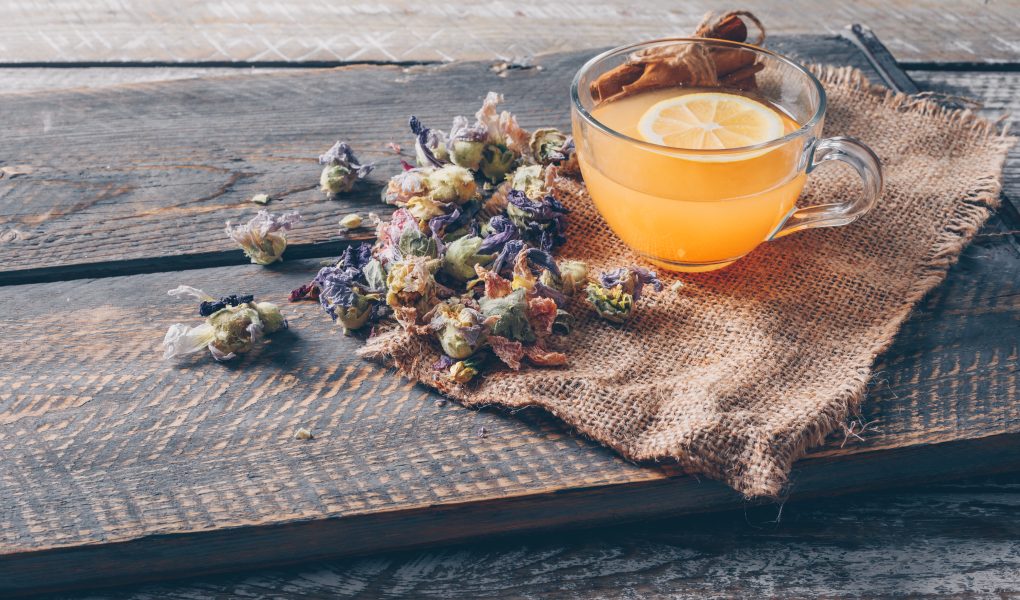
Period cramps can feel like a monthly battle—but herbal teas offer a gentle, science-supported path to relief. Let’s explore how four simple teas—chamomile, ginger, mint, and cinnamon—work their magic, backed by research and explained in everyday language.
1. Chamomile – Relax & Unwind (with Evidence)
Why it matters: Chamomile isn’t just a bedtime ritual. Clinical trials show it reduces menstrual pain and bleeding, sometimes matching common painkillers in effectiveness.
How it works: It blocks inflammation by lowering prostaglandins (which trigger uterine cramps) and supports calm through compounds like apigenin and bisabolol. Another study found drinking German chamomile tea reduced pain, stress, and anxiety during periods. (1)
2. Ginger – The Natural Ibuprofen
Why it matters: Ginger can be just as effective as ibuprofen for menstrual cramps—without reaching for a pill bottle. It also eases inflammation and bloating.
How it works: The active compound gingerol fights inflammation and calms muscle spasms, offering a soothing, warm relief in your cup. (2)
3. Mint – Digestive Calm in a Mug
Why it matters: While fewer studies focus specifically on mint tea for cramps, peppermint is prized for its muscle-relaxing menthol, which eases digestive discomfort and may soften cramps.
How it works: Its cooling, anti-spasmodic effect calms gut tension, which often coincides with menstrual discomfort. (2)
4. Cinnamon – Spicy Comfort and Blood Flow
Why it matters: Cinnamon has been shown to shorten the duration of pain and reduce cramp intensity, often in combination with ginger and fennel.
How it works: Its anti-inflammatory properties lessen prostaglandin-driven spasms, and it helps stabilize blood sugar—both key for more comfortable days. (3)
Fun Science Facts:
- Chamomile was used in ancient herbal practices to treat womb-related discomfort—its Latin name Matricaria hints at its historical link to “matrix” (womb)
- Ginger’s active component, gingerol, is the same compound responsible for its zesty taste and impressive muscle-soothing powers
- Mint, beloved for digestion, owes much of its power to menthol—a potent muscle relaxant extracted from its leaves.
- Cinnamon, beyond being tasty, acts like a natural anti-inflammatory spice that can ease cramps and uplift mood.
Conclusion
Choosing the right herbal tea can turn a cup into both comfort and relief. Chamomile relaxes your body and mind. Ginger battles cramps like a pro. Mint calms digestion, and cinnamon warms and soothes. These teas, backed by science and tradition, offer a gentle, empowering way to support your body during that time of the month.
Scientific Resources
- Niazi, A., & Moradi, M. (2021). The effect of chamomile on pain and menstrual bleeding in primary dysmenorrhea: A systematic review. International Journal of Community Based Nursing and Midwifery, 9(3), 174–186.
- Xu, Y., Yang, Q., & Wang, X. (2020). Efficacy of herbal medicine (cinnamon/fennel/ginger) for primary dysmenorrhea: A systematic review and meta-analysis of randomized controlled trials. The Journal of International Medical Research, 48(6), 300060520936179.
- Jaafarpour, M., Hatefi, M., Najafi, F., Khajavikhan, J., & Khani, A. (2015). The effect of cinnamon on menstrual bleeding and systemic symptoms with primary dysmenorrhea. Iranian Red Crescent Medical Journal, 17(4), e27032.