Many women think PMS is something they just have to “deal with.” In reality, what you eat can either fuel your hormones – or make your symptoms worse. A bioenergetic approach looks at food not only as calories, but as cellular fuel that stabilizes hormones, supports fascia, and reduces inflammation.
Here are 5 foods that can make a real difference:
1. Carrots – your natural detox helper
Raw carrots contain a special type of fiber that binds excess estrogen in the gut and helps eliminate it. Since estrogen dominance is one of the main drivers of PMS (bloating, mood swings, painful cramps), adding a simple raw carrot salad daily can help regulate hormones naturally. (1)
2. Dairy – calcium and protein for relaxation
Milk, cheese, and yogurt (especially A2 or well-fermented options) provide highly bioavailable calcium and protein. Calcium is essential for muscle relaxation – reducing cramps – while protein stabilizes blood sugar and supports progesterone production. Note: not every woman tolerates dairy well. If you notice bloating or skin issues, try different sources (goat, sheep, A2 milk) and always listen to your body. (2) (3) (4)
3. Eggs – nutrient-dense building blocks
Eggs are one of the best foods for hormone balance. They provide vitamin A, D, B vitamins, and choline – all critical for liver health and progesterone production. The key is quality: choose pasture-raised or organic eggs, as they contain more antioxidants and fewer inflammatory residues compared to conventional eggs. (5)
4. Fruit – easy fuel for your cells
Fruit sugars (fructose + glucose) are metabolized efficiently, supporting your thyroid and energy production. This means fewer blood sugar crashes and more stable moods before your period. Seasonal fruits like papaya, berries, and ripe bananas are gentle on digestion and provide potassium, magnesium, and antioxidants. (6)
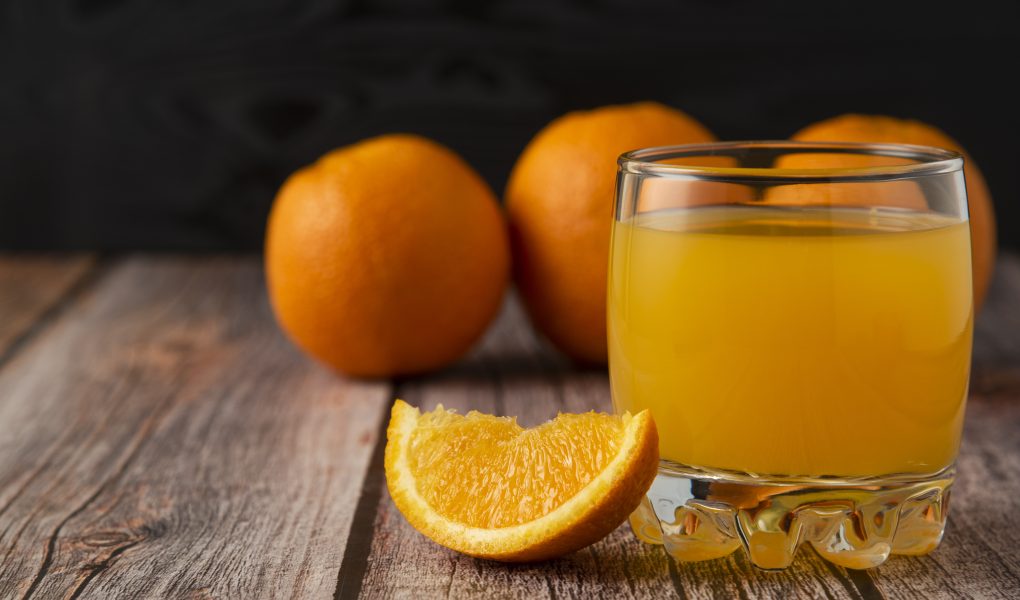
5. Orange juice – liquid sunlight
Fresh orange juice is more than a sweet drink – it’s packed with vitamin C, potassium, and natural sugars that lower stress hormones like cortisol. Combined with a protein source (like gelatin, cottage cheese, or eggs), it stabilizes blood sugar and provides a quick boost of bioenergetic fuel, helping to calm PMS-related irritability and fatigue. (7)
Conclusion
Supporting your body during PMS doesn’t have to mean complicated diets or strict rules. Sometimes, it’s about choosing simple, nutrient-rich foods that your cells can actually use.
Scientific Resources
- Keenan, D. L., Dharmarajan, A. M., & Zacur, H. A. (1997). Dietary carrot results in diminished ovarian progesterone secretion, whereas a metabolite, retinoic acid, stimulates progesterone secretion in the in vitro perfused rabbit ovary. Fertility and Sterility, 68(2), 358–363.
- Nanri, A., Sakanari, M., Mantani, H., Hirabayashi, A., Furuse, M., Yokote, N., Nakamura, M., Takeda, T., & Ohta, M. (2025). Calcium, vitamin D, and dairy intake and premenstrual syndrome: A cross-sectional study. Journal of Nutritional Science and Vitaminology, 71(2), 155–162.
- Abdi, F., Ozgoli, G., & Rahnemaie, F. S. (2019). A systematic review of the role of vitamin D and calcium in premenstrual syndrome. Obstetrics & Gynecology Science, 62(2), 73–86.
- Shobeiri, F., Araste, F. E., Ebrahimi, R., Jenabi, E., & Nazari, M. (2017). Effect of calcium on premenstrual syndrome: A double-blind randomized clinical trial. Obstetrics & Gynecology Science, 60(1), 100–105.
- Puglisi, M. J., & Fernandez, M. L. (2022). The health benefits of egg protein. Nutrients, 14(14), 2904.
- Li, Z., Fan, X., Gao, F., Pan, S., Ma, X., Cheng, H., Nakatsukasa, H., Zhang, W., & Zhang, D. (2025). Fructose metabolism and its roles in metabolic diseases, inflammatory diseases, and cancer. Molecular Biomedicine, 6(1), 43.
- Constans, J., Bennetau-Pelissero, C., Martin, J.-F., Rock, E., Mazur, A., Bedel, A., Morand, C., & Bérard, A. M. (2015). Marked antioxidant effect of orange juice intake and its phytomicronutrients in a preliminary randomized cross-over trial on mild hypercholesterolemic men. Clinical Nutrition (Edinburgh, Scotland), 34(6),