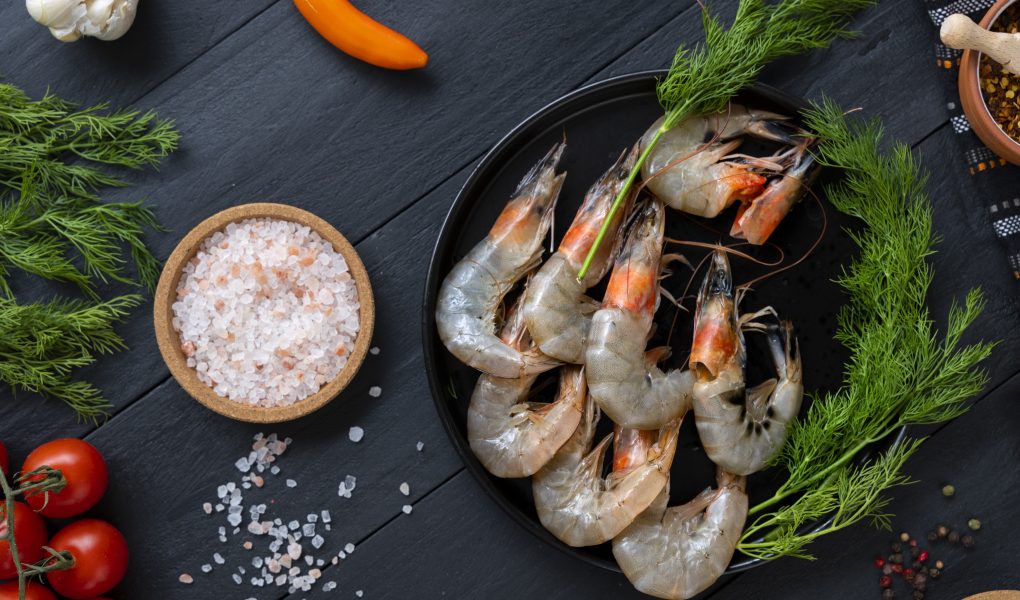
When most people think of seafood, they picture protein and flavor. But for women, seafood is also a powerful ally for hormone health. The minerals and omega-3 fatty acids in shrimp, mussels, sardines, and squid provide the building blocks your body needs to balance cycles, reduce PMS discomfort, and keep energy stable.
Here’s how these ocean superfoods can support your cycle:
Omega-3 Fatty Acids – Less Pain, More Calm
One of the biggest reasons seafood is so effective lies in its omega-3 fatty acids. These fats are not just fuel; they help regulate the production of prostaglandins—compounds that trigger uterine contractions and pain during menstruation. By lowering prostaglandins, omega-3s can make cramps less intense and reduce the overall inflammatory load in the body. Sardines and squid are particularly rich sources, giving women a natural way to calm their cycle without medication. (1) (2) (3) (4)
Zinc – Ovulation and Progesterone
Zinc is another essential nutrient found abundantly in shrimp and mussels. This mineral plays a central role in ovulation, progesterone production, and immune regulation. Women who lack zinc often experience irregular cycles, stronger PMS symptoms, and more pronounced fatigue. By including zinc-rich seafood, the reproductive system gains the raw material it needs to support a stable and balanced cycle. (1) (2) (3) (4)
Iodine and Selenium – Thyroid
The thyroid gland, a master regulator of energy and metabolism, relies on iodine and selenium to function properly. Mussels, shrimp, and squid provide both, nourishing the thyroid and helping it release hormones that keep body temperature, energy, and mood steady. Women who are low in iodine or selenium often feel more tired, cold, and emotionally unstable before their period. By supporting the thyroid through seafood, energy and resilience improve throughout the cycle. (1) (2) (3) (4)
Iron – Against fatigue and weakness
Another overlooked benefit of seafood is its contribution of heme iron, especially from mussels and shrimp. Because women naturally lose iron during menstruation, deficiencies are common and often lead to fatigue, weakness, and dizziness. Iron from seafood is more easily absorbed than from plants, making it a practical choice for replenishing what is lost each month. Stronger iron status also helps with oxygen delivery to tissues, improving both focus and physical vitality.(1) (2) (3) (4)
Practical tip
Finally, the quality of seafood matters. Smaller fish and shellfish, such as shrimp and sardines, usually contain fewer environmental toxins compared to large predatory fish. Choosing wild-caught options, when possible, ensures higher nutrient density and better safety for long-term hormonal health.
Seafood is more than a culinary pleasure—it is a nutrient-dense, hormone-supportive food group that directly addresses the root causes of PMS symptoms. From reducing cramps through omega-3s, to stabilizing cycles with zinc, to energizing the body with iodine, selenium, and iron, these gifts from the sea offer women a natural way to find balance. Adding a few servings of shrimp, mussels, sardines, or squid into the weekly diet may be one of the simplest, most powerful steps toward calmer, more resilient cycles.
Re
- Helmy, N. A., Kamel, D. M., Gabr, A. A., & Shehata, M. M. A. (2023). Do dietary habits affect the premenstrual syndrome severity among a cohort of Egyptian females? A cross-sectional study. Bulletin of Faculty of Physical Therapy, 28(1), 1–8.
- Naraoka, Y., Hosokawa, M., Minato-Inokawa, S., & Sato, Y. (2023). Severity of menstrual pain is associated with nutritional intake and lifestyle habits. Healthcare (Basel, Switzerland), 11(9), 1289.
- Kapper, C., Oppelt, P., Ganhör, C., Gyunesh, A. A., Arbeithuber, B., Stelzl, P., & Rezk-Füreder, M. (2024). Minerals and the menstrual cycle: Impacts on ovulation and endometrial health. Nutrients, 16(7), 1008.
- Yokoyama, E., Takeda, T., Watanabe, Z., & Yaegashi, N. (2022, July 21). Association of fish intake with menstrual pain: A cross-sectional study of the Japan Environment and… PLOS.